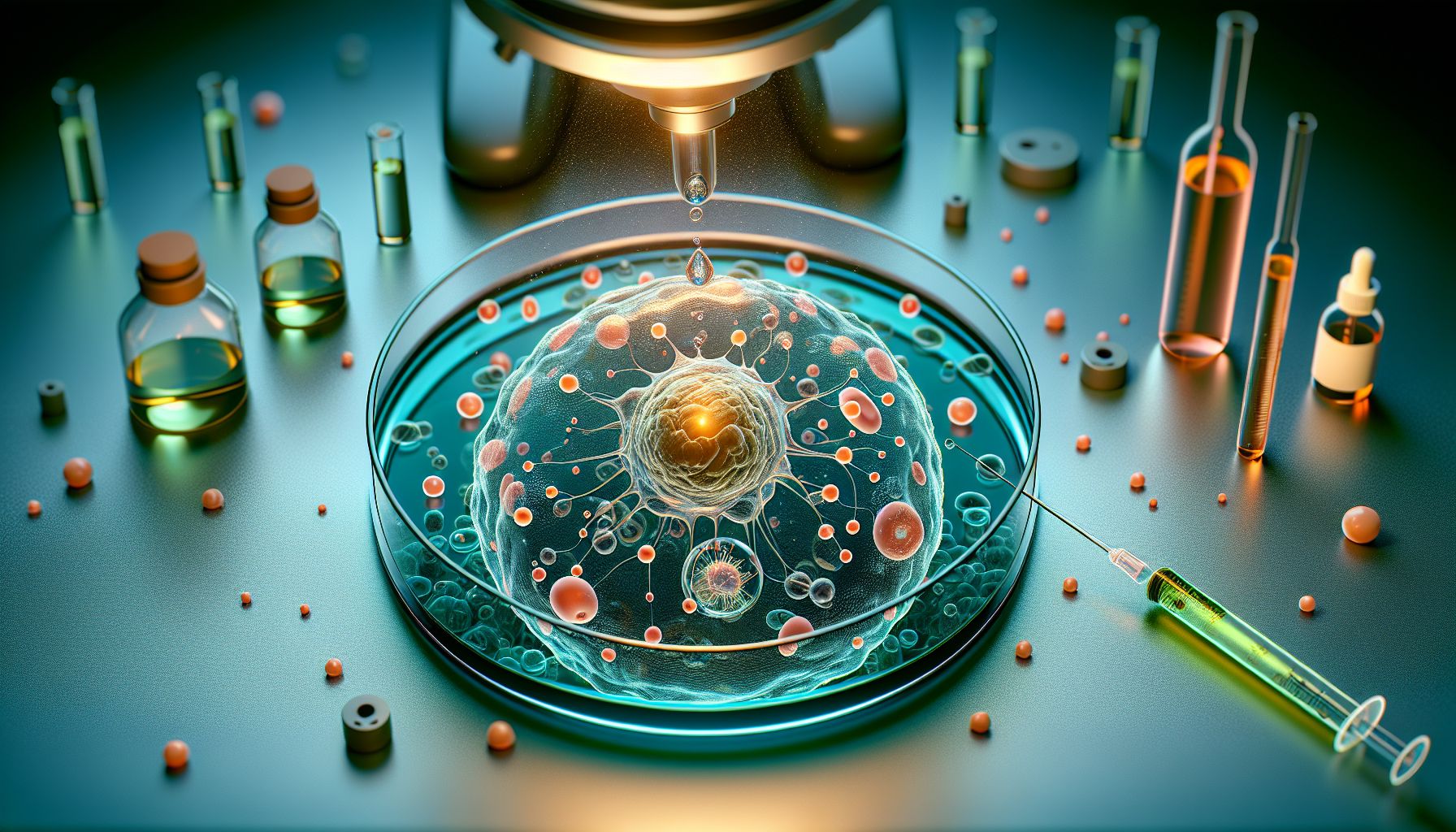

Hey there tech enthusiasts! Imagine a world where living to 150 isn’t just a sci-fi fantasy but a real possibility. Grab a cup of coffee (or kombucha if that’s your thing) and settle in, because today we’re diving into the fascinating realm of longevity technology. Yup, that’s right—extending our lifespans in a healthy, meaningful way is no longer reserved for vampires or deities. Thanks to exciting advances in science and tech, longer lives might soon be closer than we think. Let’s explore what’s happening on the frontiers of longevity and what it could mean for humankind.
The New Age of Anti-aging
For centuries, humans have been obsessed with cheating death. Remember Ponce de León’s famed search for the Fountain of Youth? Sorry to break it to you, but that story was likely just as mythical as mermaids. However, instead of fountains or magic potions, today we’ve got something much cooler: gene editing, cellular reprogramming, and AI-driven health diagnostics. These aren’t just buzzwords. They’re the building blocks of the longevity revolution.
Gene Editing: Snipping Towards Immortality
First up, we’ve got the rockstar CRISPR technology. You’ve probably heard of it—CRISPR is essentially a pair of molecular scissors that lets scientists cut and paste DNA snippets like they’re editing a Word doc. Think of it as Photoshop for your genes, but with far more ethical debates and way bigger stakes. Researchers are using CRISPR to remove harmful mutations, potentially giving us a leg-up on diseases that would otherwise shorten our lives. It’s not quite immortality, but it’s a big step in the right direction.
Cellular Reprogramming: Turning Back Time at the Cellular Level
Next, let me introduce cellular reprogramming. Imagine if we could reset our body’s cells to a more youthful state. Sounds like science fiction? Not quite. A key player here is Yamanaka factors—a set of proteins that can turn tired adult cells back into energetic, pluripotent stem cells. It’s like convincing your cells to take a gap year and return with renewed energy and capacity. Although we’re still ironing out the kinks (like, uh, preventing these cells from turning all cancerous on us), the potential is jaw-dropping.
AI to the Rescue: The Data-Driven Health Guru
Of course, we couldn’t possibly talk longevity without throwing some AI into the mix. Predictive analytics in medicine is like having a digital Nostradamus in your pocket, minus the doom and gloom. From personalized health plans to early diagnosis of chronic illnesses, machine learning algorithms are helping us tailor health advice to our unique genetic make-up. It’s like having a doctor who knows you better than your mom does, and who doesn’t prescribe you drink more water every time you sneeze.
The Sociopolitical Chessboard of Living Longer
Now, let’s take a pause to consider the world beyond the lab coats and buzzy headlines. What would a significant extension of human life spans mean for society? Spoiler alert: it’s complex.
Economic Quanderies: More Pizza, Smaller Pensions?
The economic implications alone could keep your average think tank busy for decades. On the plus side, longer lives might mean more active and productive work years. Great for GDP, but it’ll probably mean your retirement age creeps closer to triple digits unless we radically rethink pensions. Outliving your savings is the kind of plot twist nobody wants.
Ethical Dilemmas: The Haves and Have-Nots
There’s also the issue of access. Let’s not sugarcoat it—longevity tech could make the already worrisome gap between the rich and the poor even worse. The chasm between those who can afford these life-extending wonders and those who can’t could be wider than an interstellar leap. It’s the kind of ethical puzzle that proves science and morality are inseparable as a double-helix.
So… What’s Next?
Alright, with all this ground covered, what can we truly say about the future of longevity? Skepticism and optimism are probably destined to walk this road hand in hand.
Short-Term: Baby Steps
In the short term, look for incremental improvements. Maybe we’ll see more genetic screening and preventive measures that keep us healthier for longer. Maybe gene therapies for specific diseases become a mainstay. It’s the seemingly small victories that pave the way for big progress.
Long-Term: Dreams of the Bio-utopia
If we’re daring to dream big, the long-term prospects are exciting. Imagine celebrating your 100th birthday feeling as sprightly as you did at 40 (minus youthful naivety, ideally), all thanks to advances in cellular reprogramming and synthetic biology. It’s the kind of future even Asimov might not have cooked up.
Wrapping It Up: The New Frontier Beckons
So, where does that leave us? On the cusp of something big, perhaps even unprecedented in human history. Longevity tech isn’t just about extending our years. It’s a fundamental shift in how we view aging and life itself. It’s a brave new world, but one that comes with a blend of hope, caution, and moral questions. Are we ready for it? Only time will tell. Just know that when the day comes, you heard it here first, right along with a wink and a nudge because hey, isn’t life just one big, exciting experiment? Until next time, keep dreaming and stay curious!